Ƶ

Healthcare News & Views

Rush University Medical Center reduces LOS and SSIs with Ƶ, Saves $2300+ per patient

April 3, 2020
By
seamless

In 2014, Rush University Medical Center established a Colorectal ERAS program. After successfully reducing opioid utilization and patient length of stay, the team soon found the reductions in LOS start to plateau like many other ERAS programs. After observing this trend, the team at Rush acknowledged they were missing the tools needed to measure and improve patient compliance with ERAS protocols to optimize their results further.

Ƶ patient engagement, remote monitoring, and virtual care platform at Rush University Medical Center

In 2017, Rush implemented Ƶ to engage, educate, and track patients across the ERAS episode so they could keep patients on-track while collecting PROs such as ERAS compliance.

Earlier this month, Rush University published a study in the assessing the value of Ƶ for their established enhanced recovery program.

The results from the study (n=289) show patients enrolled in Ƶ to have higher ERAS protocol compliance, lower mean LOS and SSI rates, and total patient costs that are $2386 less for patients not enrolled.

to read the full Rush study in the International Journal of Colorectal Disease.

Rush University Medical Center reduces LOS and SSIs with Ƶ, Saves $2300+ per patient

Posted by:
seamless
on
April 3, 2020

In 2014, Rush University Medical Center established a Colorectal ERAS program. After successfully reducing opioid utilization and patient length of stay, the team soon found the reductions in LOS start to plateau like many other ERAS programs. After observing this trend, the team at Rush acknowledged they were missing the tools needed to measure and improve patient compliance with ERAS protocols to optimize their results further.

Ƶ patient engagement, remote monitoring, and virtual care platform at Rush University Medical Center

In 2017, Rush implemented Ƶ to engage, educate, and track patients across the ERAS episode so they could keep patients on-track while collecting PROs such as ERAS compliance.

Earlier this month, Rush University published a study in the assessing the value of Ƶ for their established enhanced recovery program.

The results from the study (n=289) show patients enrolled in Ƶ to have higher ERAS protocol compliance, lower mean LOS and SSI rates, and total patient costs that are $2386 less for patients not enrolled.
to read the full Rush study in the International Journal of Colorectal Disease.

Recent news from Ƶ

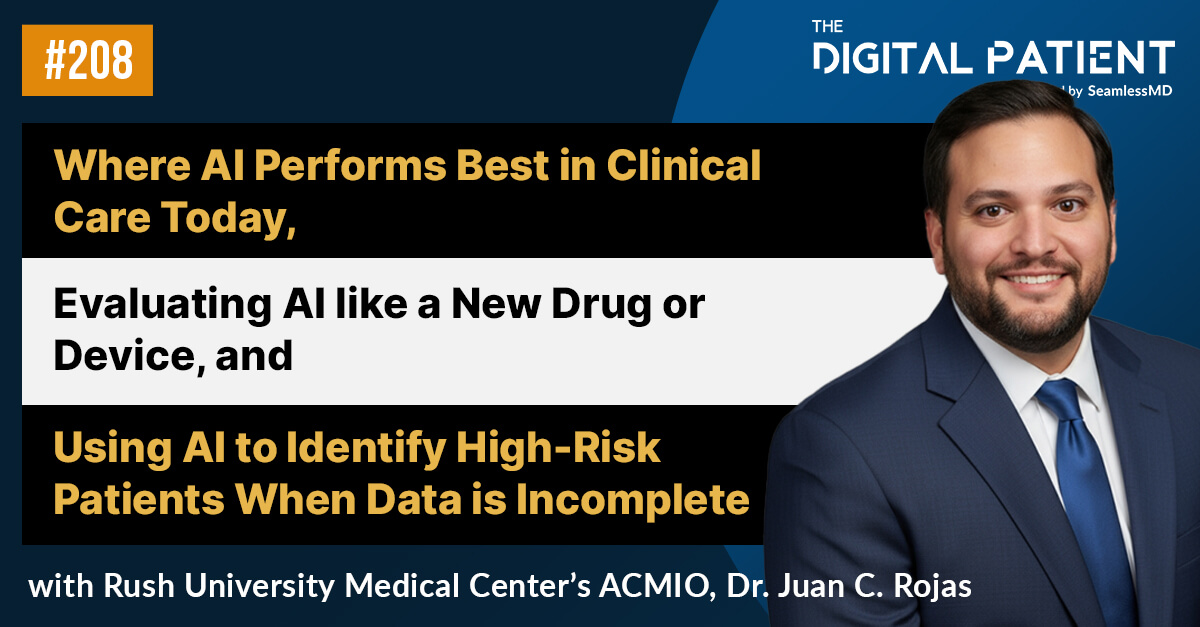
TDP 208: Rush University Medical Center’s ACMIO Dr. Juan C. Rojas: Where AI Performs Best in Clinical Care Today, Evaluating AI like a New Drug or Device, and Using AI to Identify High-Risk Patients When Data is Incomplete
December 16, 2025

TDP 208: Rush University Medical Center’s ACMIO Dr. Juan C. Rojas: Where AI Performs Best in Clinical Care Today, Evaluating AI like a New Drug or Device, and Using AI to Identify High-Risk Patients When Data is Incomplete

Learn More
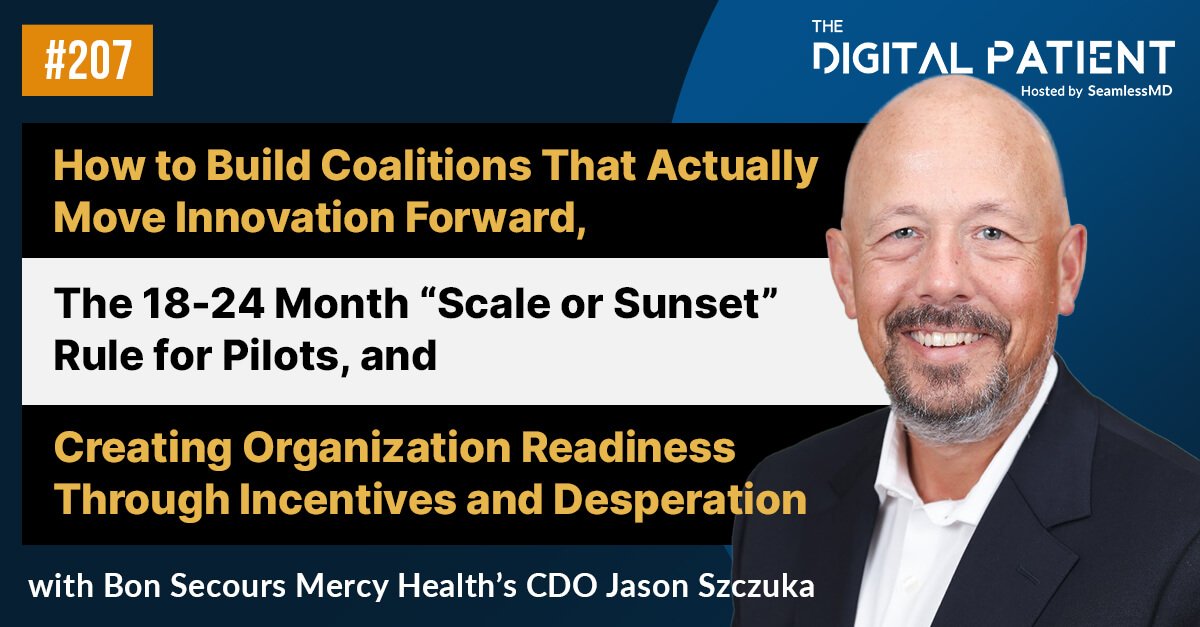
TDP 207: BSMH’s Jason Szczuka: Building Coalitions That Actually Move Innovation Forward, The 18-24 Month “Scale or Sunset” Rule for Pilots, and Creating Organization Readiness Through Incentives and Desperation
December 11, 2025

TDP 207: BSMH’s Jason Szczuka: Building Coalitions That Actually Move Innovation Forward, The 18-24 Month “Scale or Sunset” Rule for Pilots, and Creating Organization Readiness Through Incentives and Desperation

Learn More
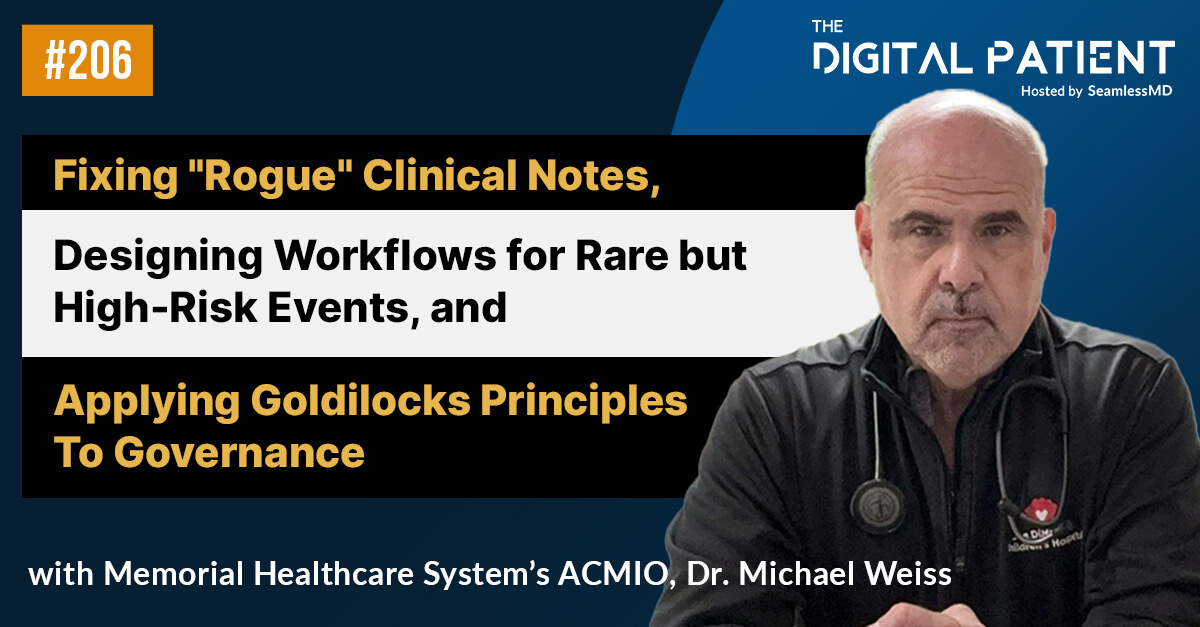
TDP 206: MHS’ ACMIO Dr. Michael Weiss: Fixing "Rogue" Clinical Notes, Designing Workflows for Rare but High-Risk Events, and Applying Goldilocks Principles to Governance
December 9, 2025

TDP 206: MHS’ ACMIO Dr. Michael Weiss: Fixing "Rogue" Clinical Notes, Designing Workflows for Rare but High-Risk Events, and Applying Goldilocks Principles to Governance

Learn More