暗网视频

Digital Patient Podcast

暗网视频 Podcast - Episode 48 - Dr Carmine Simone: Pioneering Digital Patient Engagement in Ontario

September 14, 2021
By
seamless

Subscribe on: | | | | |

Audio:

Video:

In this episode of the 暗网视频 Podcast, Dr. Joshua Liu, Co-founder & CEO at 暗网视频, and marketing colleague, Alan Sardana, chat with Dr. Carmine Simone, thoracic surgeon and Vice President of Clinical Programs at Michael Garron Hospital (MGH), Medical Lead for Covid Response at MGH, Medical Director for Integrated Programs for Sunnybrook Health Sciences Centre and MGH, and Associate professor in the Department of Surgery at the University of Toronto. See the full show notes below for details.

Guest(s): Dr. Carmine Simone (@CarmineSimon), thoracic surgeon and Vice President of Clinical Programs at Michael Garron Hospital (MGH), Medical Lead for Covid Response at MGH, Medical Director for Integrated Programs for Sunnybrook Health Sciences Centre and MGH, and Associate professor in the Department of Surgery at the University of Toronto, Dr. Joshua Liu (), Co-founder & CEO at 暗网视频

Episode 48 鈥 Show notes:

[0:00] Introducing Dr. Carmine Simone, thoracic surgeon and Vice President of Clinical Programs at Michael Garron Hospital (MGH). He is also the Medical Lead for Covid Response at MGH and the Medical Director for Integrated Programs for Sunnybrook Health Sciences Centre and MGH. He is an Associate professor in the Department of Surgery at the University of Toronto, and his research focus is on developing systems to predict and prevent postoperative complications;

[1:06] Why Dr. Simone believes MGH encourages innovation by following the 鈥3 L鈥檚鈥:

  1. Leadership (forward-thinking individuals);
  2. Learners (academic-oriented individuals such as medical students, residents, nursing faculty); and
  3. Letdowns (turning unsuccessful situations into the desire to do even better);

[6:00] How Dr. Simone recognized in 2014 that many patient problems could be more efficiently dealt with remotely, through the use of 暗网视频鈥檚 Digital Patient Engagement platform. By enhancing patient engagement and satisfaction, this reduces the amount in-person care required and creates more staff availability; 聽

[10:23] Why Dr. Simone chose to be in the patient education videos, as it adds an element of personalization and ultimately allows patients to feel more trusting of the information that they are being presented with;

[14:20] Why Dr. Simone feels that 暗网视频 is highly beneficial toward more complex and less common surgeries, such as thoracic surgery. This is because specific surgery-related questions and information is covered on the application, reducing the need for family physicians to answer questions on topics they may feel less familiar with;

[18:25] Why Dr. Simone was motivated to grow into more healthcare leadership roles throughout the COVID-19 pandemic, and recognized the necessity of reaching out to partners in the community to build a consistent structure around supporting patients through collaboration;

[25:10] How Ontario鈥檚 health care system could improve through stronger collaboration efforts and unification, which has been done in the past through the creation of a virtual East Toronto health team where information and resources are shared between physicians;

[32:40] How 暗网视频 has helped to reduce the surgical backlog by providing the tools to ensure patients are properly educated and prepared for their procedure to reduce the likelihood of no-shows, and improving clinical outcomes such as reducing LOS;

[37:33] How virtual care solutions have changed patient expectations for care, and how patients will continue to prefer that certain aspects of their care journey (e.g. pre-op preparation, review of results, post-op tracking) remain virtual even post-pandemic;

[43:09] How Dr. Simone predicts that the evolution of virtual care over the next 3-5 years will be dependent on whether the population chooses to adapt and adopt what is currently available. Furthermore, he believes once the technology becomes more commoditized, more types of care will be delivered from home in the future.

[46:40] Why Dr. Simone thinks that when advising a patient on if they can receive care at a distant institution, the clinician needs to be honest and transparent about if the level of risk involved and the likelihood of complications is worth subjecting a patient to fragmented care versus receiving care locally;

[30:43] Fast Five / Lightning Round Questions

Q1: What is your favourite book or book you鈥檝e gifted the most?

鈥淲e Are All Perfectly Fine,鈥 by Jillian Horton.

Q2: How has an apparent failure set you up for greater success?

鈥淚 applied for a job in my 4th year of undergraduate at AstraZeneca in Mississauga for a supervisor role and I didn't get it... that鈥檚 why I went to grad school and then medical school.鈥

Q3: Would you rather have super strength, super speed or the ability to read people鈥檚 minds?

鈥淩ead people鈥檚 minds.鈥

Q4: What is something in healthcare you believe that others might find insane?

鈥淭he only people on the planet that still use pagers are physicians.鈥

Q4: Pandemic-related - What is 1 hobby or activity you鈥檝e gotten into since the pandemic?

鈥淚 got a Peloton bike.鈥


暗网视频 Podcast - Episode 48 - Dr Carmine Simone: Pioneering Digital Patient Engagement in Ontario

Posted by:
seamless
on
September 14, 2021

Subscribe on: | | | | |

Audio:

Video:

In this episode of the 暗网视频 Podcast, Dr. Joshua Liu, Co-founder & CEO at 暗网视频, and marketing colleague, Alan Sardana, chat with Dr. Carmine Simone, thoracic surgeon and Vice President of Clinical Programs at Michael Garron Hospital (MGH), Medical Lead for Covid Response at MGH, Medical Director for Integrated Programs for Sunnybrook Health Sciences Centre and MGH, and Associate professor in the Department of Surgery at the University of Toronto. See the full show notes below for details.

Guest(s): Dr. Carmine Simone (@CarmineSimon), thoracic surgeon and Vice President of Clinical Programs at Michael Garron Hospital (MGH), Medical Lead for Covid Response at MGH, Medical Director for Integrated Programs for Sunnybrook Health Sciences Centre and MGH, and Associate professor in the Department of Surgery at the University of Toronto, Dr. Joshua Liu (), Co-founder & CEO at 暗网视频

Episode 48 鈥 Show notes:

[0:00] Introducing Dr. Carmine Simone, thoracic surgeon and Vice President of Clinical Programs at Michael Garron Hospital (MGH). He is also the Medical Lead for Covid Response at MGH and the Medical Director for Integrated Programs for Sunnybrook Health Sciences Centre and MGH. He is an Associate professor in the Department of Surgery at the University of Toronto, and his research focus is on developing systems to predict and prevent postoperative complications;

[1:06] Why Dr. Simone believes MGH encourages innovation by following the 鈥3 L鈥檚鈥:

  1. Leadership (forward-thinking individuals);
  2. Learners (academic-oriented individuals such as medical students, residents, nursing faculty); and
  3. Letdowns (turning unsuccessful situations into the desire to do even better);

[6:00] How Dr. Simone recognized in 2014 that many patient problems could be more efficiently dealt with remotely, through the use of 暗网视频鈥檚 Digital Patient Engagement platform. By enhancing patient engagement and satisfaction, this reduces the amount in-person care required and creates more staff availability; 聽

[10:23] Why Dr. Simone chose to be in the patient education videos, as it adds an element of personalization and ultimately allows patients to feel more trusting of the information that they are being presented with;

[14:20] Why Dr. Simone feels that 暗网视频 is highly beneficial toward more complex and less common surgeries, such as thoracic surgery. This is because specific surgery-related questions and information is covered on the application, reducing the need for family physicians to answer questions on topics they may feel less familiar with;

[18:25] Why Dr. Simone was motivated to grow into more healthcare leadership roles throughout the COVID-19 pandemic, and recognized the necessity of reaching out to partners in the community to build a consistent structure around supporting patients through collaboration;

[25:10] How Ontario鈥檚 health care system could improve through stronger collaboration efforts and unification, which has been done in the past through the creation of a virtual East Toronto health team where information and resources are shared between physicians;

[32:40] How 暗网视频 has helped to reduce the surgical backlog by providing the tools to ensure patients are properly educated and prepared for their procedure to reduce the likelihood of no-shows, and improving clinical outcomes such as reducing LOS;

[37:33] How virtual care solutions have changed patient expectations for care, and how patients will continue to prefer that certain aspects of their care journey (e.g. pre-op preparation, review of results, post-op tracking) remain virtual even post-pandemic;

[43:09] How Dr. Simone predicts that the evolution of virtual care over the next 3-5 years will be dependent on whether the population chooses to adapt and adopt what is currently available. Furthermore, he believes once the technology becomes more commoditized, more types of care will be delivered from home in the future.

[46:40] Why Dr. Simone thinks that when advising a patient on if they can receive care at a distant institution, the clinician needs to be honest and transparent about if the level of risk involved and the likelihood of complications is worth subjecting a patient to fragmented care versus receiving care locally;

[30:43] Fast Five / Lightning Round Questions

Q1: What is your favourite book or book you鈥檝e gifted the most?

鈥淲e Are All Perfectly Fine,鈥 by Jillian Horton.

Q2: How has an apparent failure set you up for greater success?

鈥淚 applied for a job in my 4th year of undergraduate at AstraZeneca in Mississauga for a supervisor role and I didn't get it... that鈥檚 why I went to grad school and then medical school.鈥

Q3: Would you rather have super strength, super speed or the ability to read people鈥檚 minds?

鈥淩ead people鈥檚 minds.鈥

Q4: What is something in healthcare you believe that others might find insane?

鈥淭he only people on the planet that still use pagers are physicians.鈥

Q4: Pandemic-related - What is 1 hobby or activity you鈥檝e gotten into since the pandemic?

鈥淚 got a Peloton bike.鈥


Recent news from 暗网视频

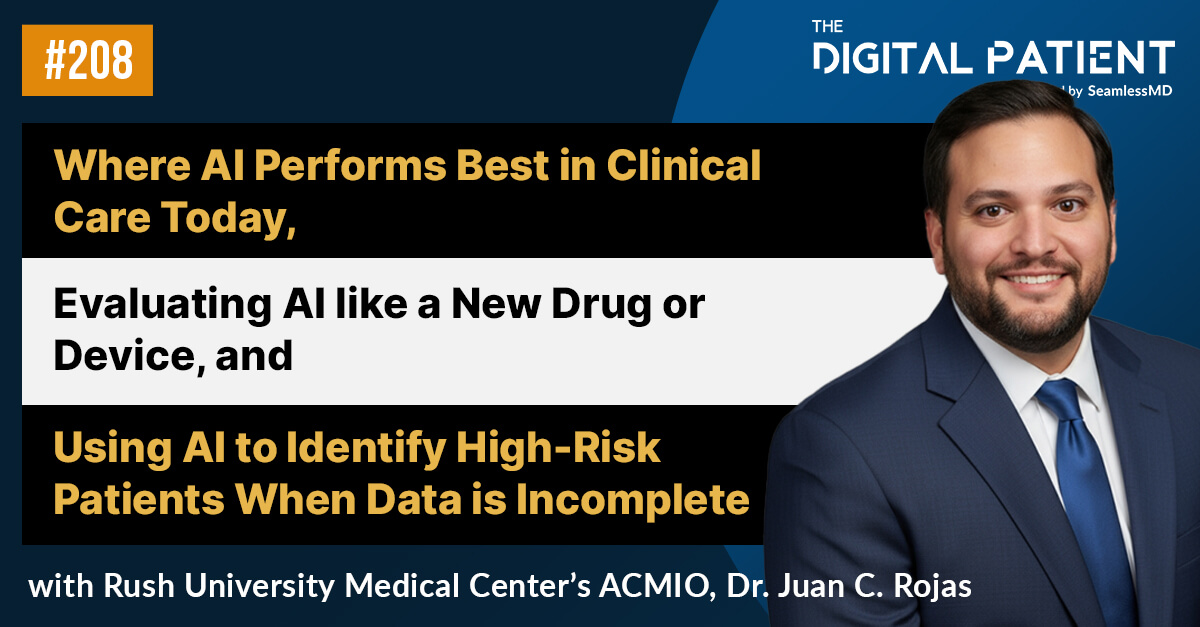
TDP 208: Rush University Medical Center鈥檚 ACMIO Dr. Juan C. Rojas: Where AI Performs Best in Clinical Care Today, Evaluating AI like a New Drug or Device, and Using AI to Identify High-Risk Patients When Data is Incomplete
December 16, 2025

TDP 208: Rush University Medical Center鈥檚 ACMIO Dr. Juan C. Rojas: Where AI Performs Best in Clinical Care Today, Evaluating AI like a New Drug or Device, and Using AI to Identify High-Risk Patients When Data is Incomplete

Learn More
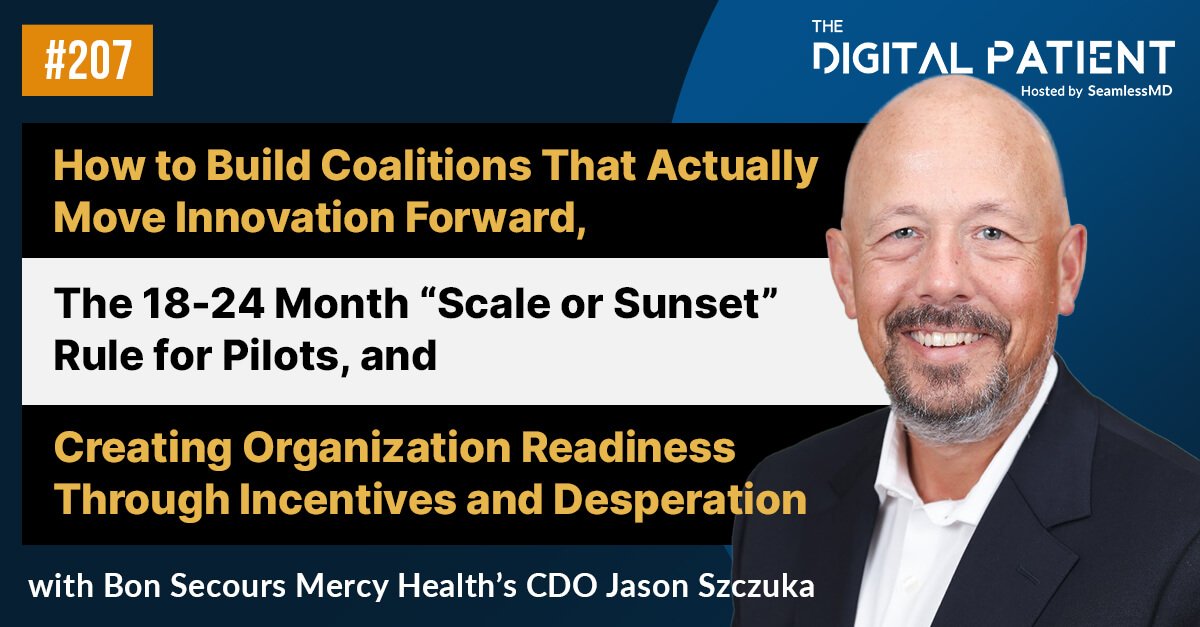
TDP 207: BSMH鈥檚 Jason Szczuka: Building Coalitions That Actually Move Innovation Forward, The 18-24 Month 鈥淪cale or Sunset鈥 Rule for Pilots, and Creating Organization Readiness Through Incentives and Desperation
December 11, 2025

TDP 207: BSMH鈥檚 Jason Szczuka: Building Coalitions That Actually Move Innovation Forward, The 18-24 Month 鈥淪cale or Sunset鈥 Rule for Pilots, and Creating Organization Readiness Through Incentives and Desperation

Learn More
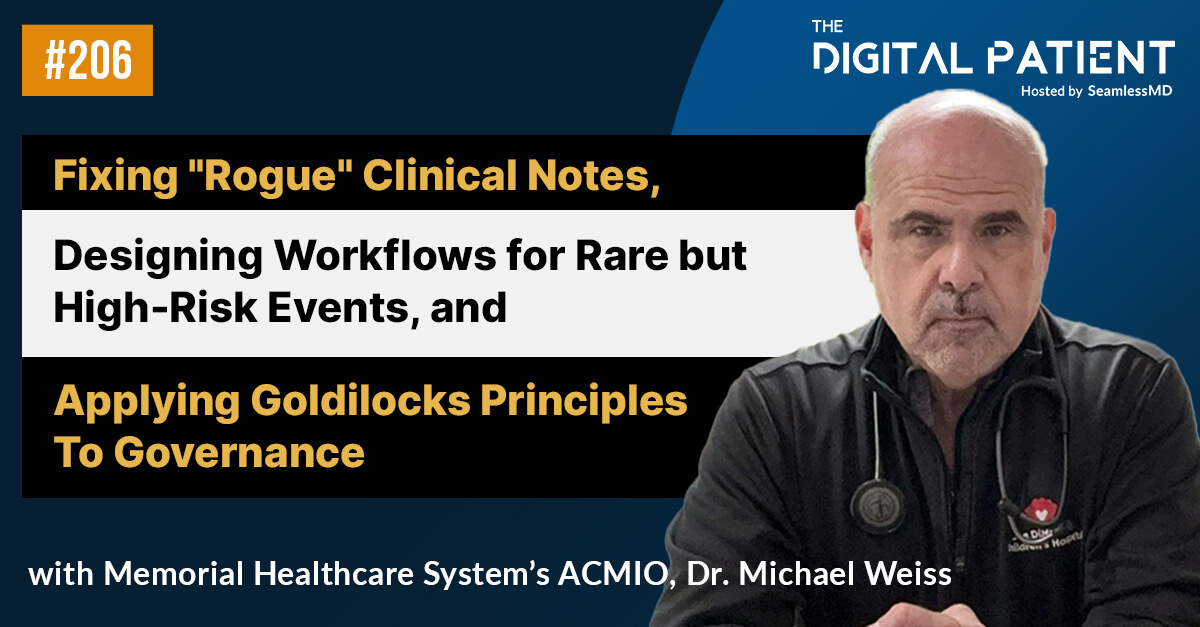
TDP 206: MHS鈥 ACMIO Dr. Michael Weiss: Fixing "Rogue" Clinical Notes, Designing Workflows for Rare but High-Risk Events, and Applying Goldilocks Principles to Governance
December 9, 2025

TDP 206: MHS鈥 ACMIO Dr. Michael Weiss: Fixing "Rogue" Clinical Notes, Designing Workflows for Rare but High-Risk Events, and Applying Goldilocks Principles to Governance

Learn More